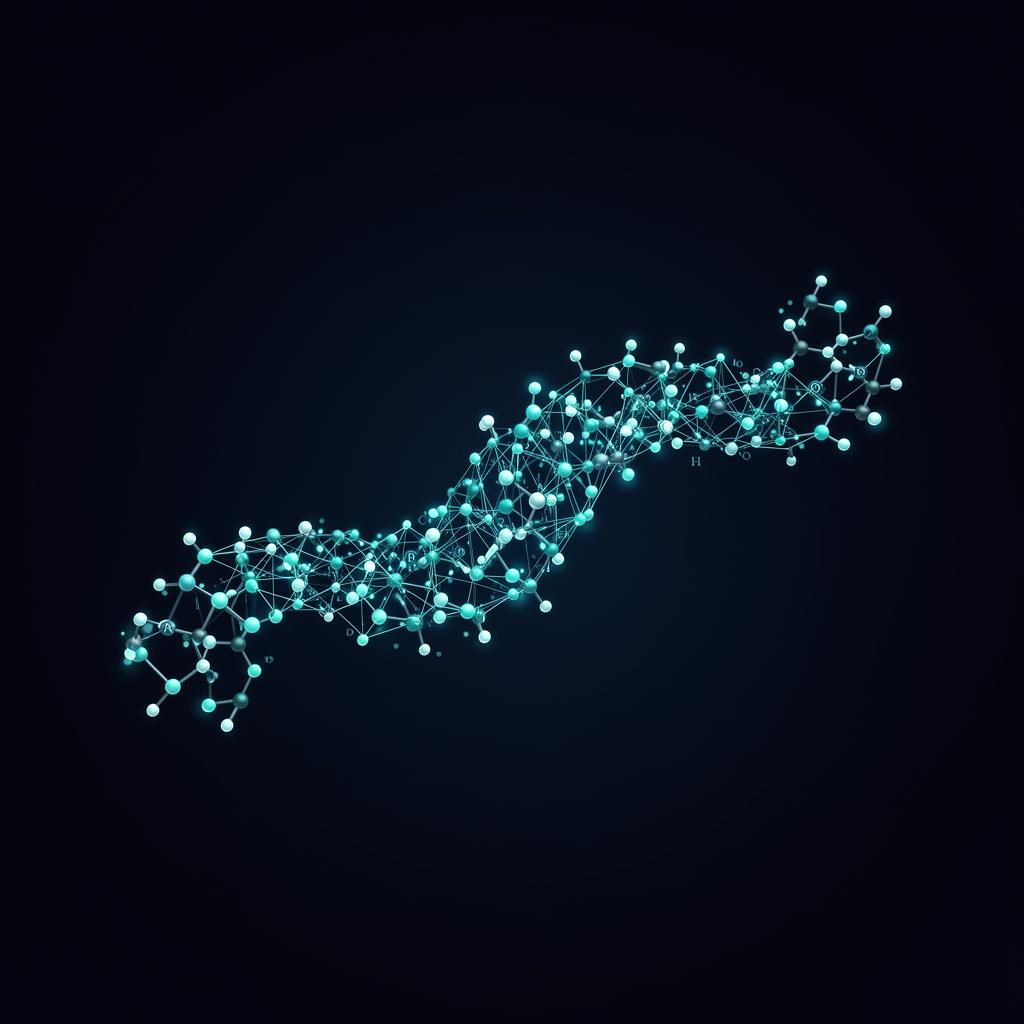
Also known as: NAD Plus, Nicotinamide Adenine Dinucleotide, NAD
NAD+ (nicotinamide adenine dinucleotide, oxidized form) is a pyridine dinucleotide coenzyme essential to energy metabolism, DNA repair via PARP enzymes, sirtuin-mediated gene regulation, and calcium signaling via CD38. Intracellular NAD+ declines by roughly 50% between ages 40 and 70 in most tissues studied, and restoring NAD+ levels with oral precursors (nicotinamide riboside NR, nicotinamide mononucleotide NMN, nicotinamide NAM) or intravenous NAD+ is one of the most-studied interventions in longevity research.
Overview
At A Glance
Redox Cofactor Function NAD+ serves as the primary electron acceptor in catabolic reactions (glycolysis, TCA cycle, fatty acid oxidation), cycling between its oxidized (NAD+) and reduced (NADH) forms. This fundamental energy metabolism role means every cell requires NAD+ minute-t…
Mechanism of Action
Redox Cofactor Function NAD+ serves as the primary electron acceptor in catabolic reactions (glycolysis, TCA cycle, fatty acid oxidation), cycling between its oxidized (NAD+) and reduced (NADH) forms. This fundamental energy metabolism role means every cell requires NAD+ minute-to-minute. The total cellular NAD+ pool is actively maintained by de novo synthesis from tryptophan, salvage pathways from nicotinamide and nicotinic acid, and precursor pathways from NR and NMN.
Sirtuin Deacetylase Activation Seven mammalian sirtuins (SIRT1-7) require NAD+ as a substrate for their deacetylase, deacylase, or ADP-ribosyltransferase activities. SIRT1 regulates metabolic response to caloric restriction; SIRT3 regulates mitochondrial function; SIRT6 regulates DNA repair and telomere integrity. Declining NAD+ availability with age reduces sirtuin activity — the mechanistic basis for much of the "NAD+ decline drives aging" hypothesis.
PARP-Mediated DNA Repair Poly(ADP-ribose) polymerases, especially PARP1, consume NAD+ to add ADP-ribose chains to proteins at DNA damage sites, recruiting repair machinery. Increased DNA damage with age creates a "PARP drain" on cellular NAD+, competing with sirtuins for the same substrate pool. Restoring NAD+ availability supports both PARP-mediated repair and sirtuin signaling simultaneously.
CD38 Consumption CD38 is a glycohydrolase enzyme expressed on immune cells that hydrolyzes NAD+ and NMN to form nicotinamide and ADP-ribose. CD38 expression increases with age and chronic inflammation, accelerating NAD+ depletion. CD38 inhibitors (78c, apigenin) are under investigation as NAD+-preserving agents; flavonoids in the diet modestly inhibit CD38.
CD73 Conversion for NMN A persistent debate: does NMN enter cells intact or must it be first dephosphorylated to NR by extracellular CD73? Grozio et al. (2019) identified the Slc12a8 transporter as an NMN importer in gut epithelium, supporting intact uptake; other groups have shown CD73-dependent conversion as an alternative. Both pathways likely operate depending on tissue and conditions.
Precursor Metabolism
- NR (nicotinamide riboside): enters cells via NRK1/NRK2 kinases that phosphorylate to NMN, then NMNAT converts to NAD+. Commercial "Niagen" brand.
- NMN (nicotinamide mononucleotide): either enters cells via Slc12a8, or is dephosphorylated extracellularly to NR then taken up.
- NAM (nicotinamide): enters cells freely, salvaged to NMN by NAMPT (rate-limiting enzyme), then to NAD+.
- NA (nicotinic acid / niacin): uses Preiss-Handler pathway; causes prostaglandin-mediated flushing.
- IV NAD+: delivered directly to bloodstream; likely degraded extracellularly to NR/NMN before tissue uptake.
Overview
NAD+ (nicotinamide adenine dinucleotide, oxidized form) is a pyridine dinucleotide coenzyme essential to energy metabolism, DNA repair via PARP enzymes, sirtuin-mediated gene regulation, and calcium signaling via CD38. Intracellular NAD+ declines by roughly 50% between ages 40 and 70 in most tissues studied, and restoring NAD+ levels with oral precursors (nicotinamide riboside NR, nicotinamide mononucleotide NMN, nicotinamide NAM) or intravenous NAD+ is one of the most-studied interventions in longevity research. Clinical trials with NR (Chromadex's Niagen) have demonstrated dose-dependent increases in peripheral blood mononuclear cell NAD+ up to 142% at 1,000 mg/day and a favorable safety profile across doses up to 2,000 mg/day. Direct IV NAD+ is used in some longevity and addiction medicine clinics at 250-1,500 mg per session; oral NAD+ itself has poor bioavailability and is generally inferior to its precursors. Regulatory status varies: NR is a legal dietary ingredient in the US and EU; NMN was removed from US dietary supplement status in 2022 but is widely available through other markets; IV NAD+ is compounded at specialty pharmacies.
Potential Research Fields
Chemical Information
IUPAC Name
Not yet available
CAS Number
53-84-9
Molecular Formula
C21H27N7O14P2
Molecular Mass
663.42 g/mol
Amino Acid Sequence
Dosing & Protocols
Unlock the dosing protocols
Enter your email to keep reading. It is free, and it opens these tabs on every compound page in this browser.
- Dose, route, how often and how long
- Beginner, intermediate and advanced protocols
- Reconstitution and handling notes
- Stacking notes
You also get the free peptide cheat sheet by email. Unsubscribe anytime.
Have an account? Sign in
Research
Unlock the research summary
Enter your email to keep reading. It is free, and it opens these tabs on every compound page in this browser.
- A summary of the key research
- Safety and side effects
- A link to the PubMed results
You also get the free peptide cheat sheet by email. Unsubscribe anytime.
Have an account? Sign in
Interactions
Interaction Matrix
Contraindications
Absolute contraindications (systemic NAD+ precursor use)
- Active malignancy under treatment — discuss with oncology team; theoretical concern about NAD+ supporting tumor DNA repair during chemotherapy stress
- Known hypersensitivity to the specific formulation
- Pregnancy and breastfeeding — no safety data for elevated-dose supplementation beyond dietary adequacy
Relative contraindications
- Peptic ulcer disease — high-dose niacin specifically can worsen; NR/NMN less concerning
- Active gout or significant hyperuricemia — high-dose niacin risk; NR/NMN less concerning
- Uncontrolled diabetes — niacin worsens glucose; NR/NMN may improve glucose (Yoshino 2021)
- Severe hepatic impairment — hepatic NAD+ metabolism may be impaired
- Concurrent anti-seizure medications (valproate) — methyl donor interactions with NAM specifically
IV NAD+ specific contraindications
- Severe cardiovascular disease or unstable angina (chest tightness during infusion)
- Active psychosis or severe anxiety disorder
- Pregnancy
- Active substance withdrawal without medical supervision
Regulatory status
- NR: Generally Recognized As Safe (GRAS) in the US; legal dietary ingredient in EU, UK, Canada, Australia
- NMN: FDA in October 2022 determined NMN is excluded from dietary supplement status in the US; enforcement has been inconsistent. Legal status varies by country.
- NAM (nicotinamide): legal dietary supplement worldwide
- NA (nicotinic acid / niacin): legal dietary supplement; prescription formulations exist for lipid indications
- IV NAD+: compounded by 503A pharmacies for specific patients; not FDA-approved as a drug product
WADA: NAD+ precursors are not specifically prohibited for athletes; dietary supplement status applies.
Research Disclaimer
This interaction data is compiled from published research and community reports. It may not be exhaustive. Always consult a healthcare professional before combining compounds.
$25.00
up to $69.99
$0.0880
6
11
strips, vial, nasal
Tracking since Mar 13, 2026 · 9 data points
Price History
4 data pointsVendors Selling NAD+
Ion Peptide

VANDL Labs

Optimum Formula

ResearchChemHQ
BioMyst Labs

BHG Labs
How we score these vendors
Every supplier above is graded 0 to 100 on COA verification, payment transparency, shipping, reviews, and active listings. Methodology published, no pay-to-rank.
Related Compounds
View AllCortagen
LongevityPreclinicalCortagen is a synthetic tetrapeptide (Ala-Glu-Asp-Gly) from the Khavinson bioregulator family developed at the St.
NMN
LongevityPreclinicalNicotinamide mononucleotide (NMN) is a naturally occurring nucleotide derived from ribose and nicotinamide, serving as the direct biosynthetic precursor to nicotinamide adenine dinucleotide (NAD+) via a single enzymatic step catalyzed by nicotinamide mononucleotide adenylyltransferase (NMNAT).
Rapamycin
LongevityPreclinicalRapamycin is a macrocyclic lactone antibiotic discovered in 1972 in soil samples from Rapa Nui (Easter Island) by a bacteriology survey team investigating indigenous Streptomyces species.
Side-by-Side Comparisons
All ComparisonsView Full Dosage Guide →
Protocols, calculator & safety for NAD+
Related Articles
All PostsThe 8 Best Peptide Companies for Research: 2026 Purity & Price Comparison
A data-driven comparison of every active peptide vendor we track: COA audit results, price-per-mg tables for 19 compounds, and a step-by-step purchase guide.
9/16/2026NAD+ in Longevity and Metabolic Research: A Complete Reference
NAD+ (nicotinamide adenine dinucleotide) is a redox coenzyme found in every living cell that shuttles electrons through energy metabolism and also serves as the fuel consumed by sirtuins and PARP DNA-repair enzymes. It is central to longevity research because cellular NAD+ levels fall with age, and that decline is tied to mitochondrial function, DNA-repair signaling, and metabolism. Most evidence is preclinical or early-stage human, and these are research compounds, not products for human consumption.
7/1/2026BHG Labs review: a small, COA-backed nootropics and peptides vendor (2026)
BHG Labs is a small, US-focused research-chemical vendor selling atomized nasal sprays, single-compound nootropic capsules, and lyophilized peptides, all lot-numbered and third-party COA-linked. Everything is research-use-only. The catalog is curated rather than huge, and there's no large public review history yet, so it suits experienced self-experimenters more than first-timers. Code BHG20 takes 20% off.
6/30/2026Research Score
3,197 PubMed results
Quality Indicators
Data Completeness
100%COA Verification
10
Verified COAs
2
Vendors w/ COA
High verification rate (83%)
Latest test: 3/1/2026
Research Volume
Well-researched compound
Quick Facts
Half-Life
Varies by form: NR ~8 hours plasma; NMN ~1-2 hours plasma; IV NAD+ infusion dose-dependent
Molecular Weight
663.42 g/mol
Administration
Oral (precursors), Intravenous, Intramuscular, Subcutaneous
CAS Number
53-84-9
Trial Phase
Phase II
Research Disclaimer
This information is for educational and research purposes only. Not intended as medical advice. Consult a healthcare professional before use.
Frequently Asked Questions
What is the difference between NAD+, NR, and NMN?
NAD+ (nicotinamide adenine dinucleotide) is the active coenzyme your cells use. NR (nicotinamide riboside) and NMN (nicotinamide mononucleotide) are oral precursors that raise cellular NAD+ levels — NAD+ itself has poor oral bioavailability. NR has the most human clinical trial evidence. NMN is closer to NAD+ in the synthesis pathway but has less published human data. Both effectively elevate tissue NAD+.
Does oral NAD+ work?
Direct oral NAD+ has poor bioavailability — the molecule is too large and polar to be efficiently absorbed intact. Your body breaks down ingested NAD+ to smaller precursors (nicotinamide, NR, NMN) before absorption. Oral precursor supplements (NR, NMN) are therefore more effective at raising cellular NAD+ than oral NAD+ products despite similar-looking labels.
What is the best NAD+ precursor to take?
NR (nicotinamide riboside) has the most published human RCT evidence and a clear regulatory path in the US (GRAS dietary ingredient). NMN has strong emerging data including Yoshino 2021 muscle insulin sensitivity trial and Liao 2021 athletic performance trial, but its US regulatory status is currently uncertain following FDA's 2022 exclusion from supplement status. Both effectively raise NAD+; NR is the more conservative choice for US-based users.
What is the right NAD+ precursor dose?
NR: 500-1,000 mg daily is where most clinical benefits have been documented (Martens 2018, Elhassan 2019). NMN: 250-600 mg daily produced effects in Yoshino 2021 and Liao 2021; 900 mg was tested safely but without added benefit over 600 mg. Start at 250-300 mg and escalate after 4 weeks of tolerance.
Is IV NAD+ better than oral NR or NMN?
The evidence base for IV NAD+ is substantially smaller than for oral precursors. IV NAD+ is likely degraded extracellularly to NR/NMN before reaching cells, meaning the active fraction may be similar to oral precursor administration. IV infusions cost $200-500 per session vs $30-150/month for oral precursors. Most longevity clinicians view oral precursors as the primary strategy and IV NAD+ as an optional adjunct.
When will I notice effects from NAD+ supplements?
Blood NAD+ levels rise within 2-4 weeks at effective doses. Subjective effects (energy, cognition, sleep quality) typically emerge at 4-6 weeks and plateau by 8-12 weeks. Metabolic effects (insulin sensitivity, inflammatory markers) are slower and require 8-12 weeks of consistent dosing to manifest in RCTs.
Do I need to take methyl donors with NAD+ precursors?
NAM (nicotinamide) is metabolized by NNMT using S-adenosylmethionine as a methyl donor — chronic high NAM doses can deplete methylation substrate. NR and NMN also ultimately feed into the nicotinamide pool. For doses above 500 mg/day or in anyone with elevated homocysteine or suboptimal B12/folate status, adding TMG (500-1,000 mg), folate (400-800 mcg), and methylcobalamin (500-2,000 mcg) is prudent.
Can NAD+ precursors cause insomnia?
Yes, in some users. NAD+ precursors can be mildly stimulating because increased cellular energy metabolism affects alertness. Morning or early afternoon dosing (before 2-3 PM) avoids this. Late-day dosing is the most common cause of insomnia complaints on NR/NMN.
Are NAD+ precursors safe during pregnancy?
Dietary niacin and nicotinamide are safe at RDA levels (18-35 mg/day during pregnancy). Supplemental NR and NMN at pharmacologic doses (250-1,000 mg/day) have no pregnancy safety data and are best avoided. Discuss with OB-GYN before any supplementation beyond prenatal vitamins.
Research Tools
Related Compounds
View AllCortagen
LongevityPreclinicalCortagen is a synthetic tetrapeptide (Ala-Glu-Asp-Gly) from the Khavinson bioregulator family developed at the St.
NMN
LongevityPreclinicalNicotinamide mononucleotide (NMN) is a naturally occurring nucleotide derived from ribose and nicotinamide, serving as the direct biosynthetic precursor to nicotinamide adenine dinucleotide (NAD+) via a single enzymatic step catalyzed by nicotinamide mononucleotide adenylyltransferase (NMNAT).
Rapamycin
LongevityPreclinicalRapamycin is a macrocyclic lactone antibiotic discovered in 1972 in soil samples from Rapa Nui (Easter Island) by a bacteriology survey team investigating indigenous Streptomyces species.
Side-by-Side Comparisons
All ComparisonsCompare NAD+ head-to-head: mechanism, half-life, dosing, safety, and vendor prices.
Research Benches
Reference pages that put NAD+ next to the compounds people pair it with: roles, evidence, overlap and conflicts. No dosing. Research use only.
Free 2026 Peptide Cheat Sheet (PDF)
38 compounds and blends: vial sizes, BAC water volumes, dosing ranges and bloodwork markers.